A Practical Guide to Passing AAALAC Site Visits
For vivarium managers and directors of animal resources, few events are more important than an AAALAC International site visit. Accreditation signals that an institution maintains high standards of animal care, research integrity, and operational oversight.
During these visits, sanitation practices receive significant attention because cleanliness directly impacts animal welfare, biosecurity, and research validity.
Understanding what AAALAC inspectors evaluate in vivarium cleaning programs can help facilities maintain continuous audit readiness, reduce compliance risk, and improve operational consistency.
The Standards AAALAC Uses to Evaluate Vivarium Sanitation
AAALAC inspections are not based on arbitrary preferences. Site visitors evaluate facilities using recognized scientific standards.
The most important reference is the Guide for the Care and Use of Laboratory Animals, which is widely considered the international benchmark for laboratory animal care programs.
The Guide provides a framework for:
- Animal housing and environment
- Facility design and maintenance
- Veterinary care programs
- Sanitation and husbandry practices
It is also the primary standard used by AAALAC to assess institutional animal care and use programs.
In addition to the Guide, AAALAC reviewers reference:
- AAALAC Guidance Statements
- Institutional policies and SOPs
- Applicable regulations (USDA, PHS Policy, etc.)
These documents together define the expectations for vivarium sanitation programs.
1. Clearly Defined Cleaning and Disinfection SOPs
The first thing inspectors typically evaluate is whether the facility has formalized sanitation procedures.
AAALAC expects institutions to maintain documented SOPs that describe how cleaning is performed and how standards are maintained.
These procedures typically cover:
- Room cleaning frequency
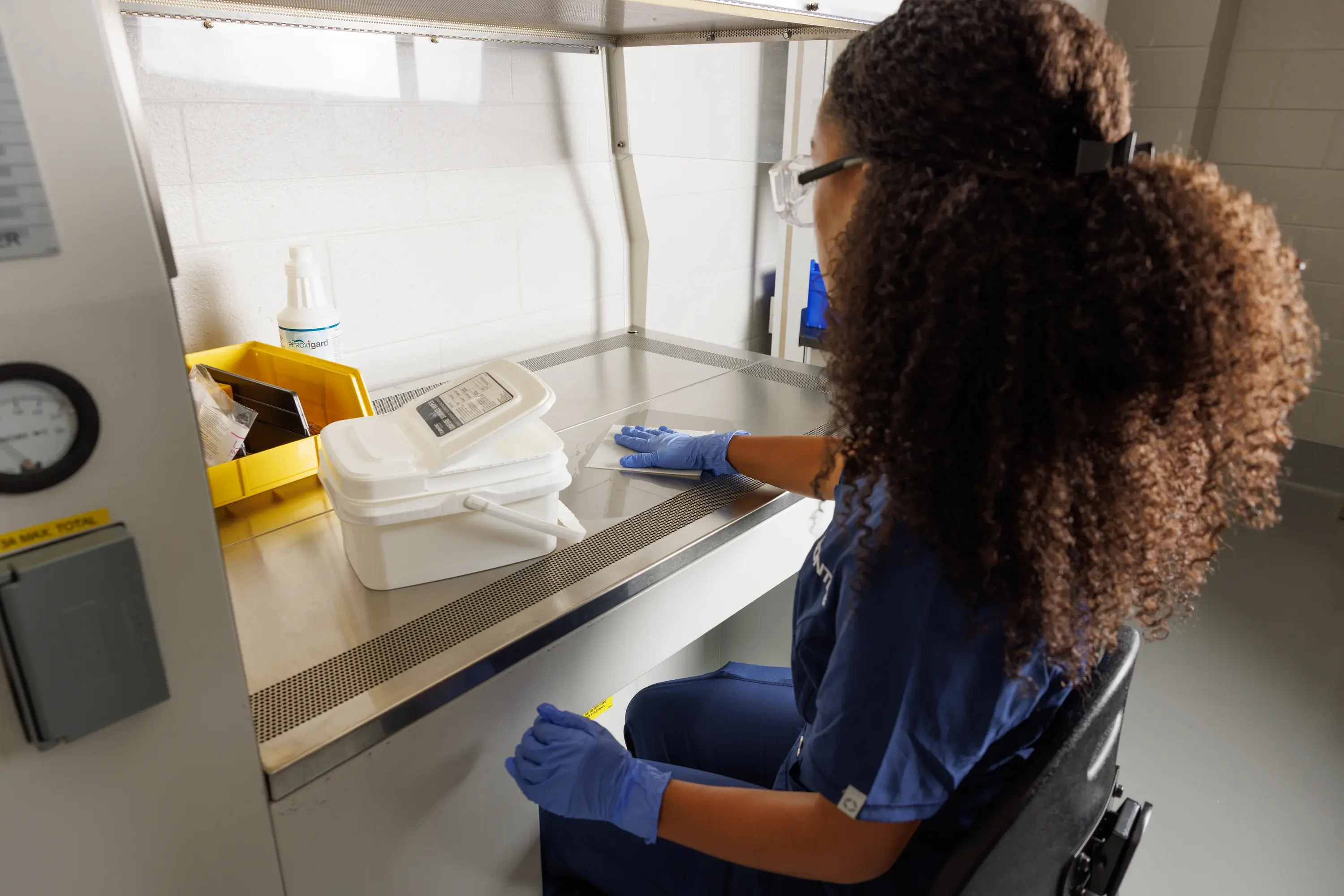
- Cage and rack sanitation procedures
- Approved disinfectants and concentrations
- Cleaning equipment and supplies
- Waste removal and disposal procedures
The Guide emphasizes that an effective animal care program must integrate policies, procedures, personnel training, and facility management into daily operations.
Without standardized SOPs, it becomes difficult to demonstrate consistent sanitation practices across rooms, technicians, or shifts.
2. Appropriate Cleaning Frequency
AAALAC reviewers also verify whether cleaning schedules meet accepted standards.
For example, the Guide recommends that solid-bottom cages be sanitized at least weekly, although some housing systems such as individually ventilated cages (IVCs) may justify alternative schedules if properly validated.
During inspections, reviewers may examine:
- Cage sanitation schedules
- Rack washer cycles
- Room cleaning frequencies
- Validation data supporting alternative practices
Facilities that deviate from typical schedules must be able to justify those decisions scientifically or through institutional oversight.
3. Documentation and Cleaning Records
One of the most common issues identified during audits is poor documentation.
AAALAC inspectors want to see evidence that sanitation procedures are being performed consistently. Documentation often includes:
- Room cleaning logs
- Cage wash records
- Equipment sanitation logs
- Disinfectant preparation records
- Preventive maintenance documentation
In preparation checklists used by many institutions, facilities are advised to maintain records demonstrating that sanitation procedures are routinely performed and monitored.
If records are incomplete or inconsistent, reviewers may question whether SOPs are actually being followed.
4. Physical Cleanliness of the Vivarium
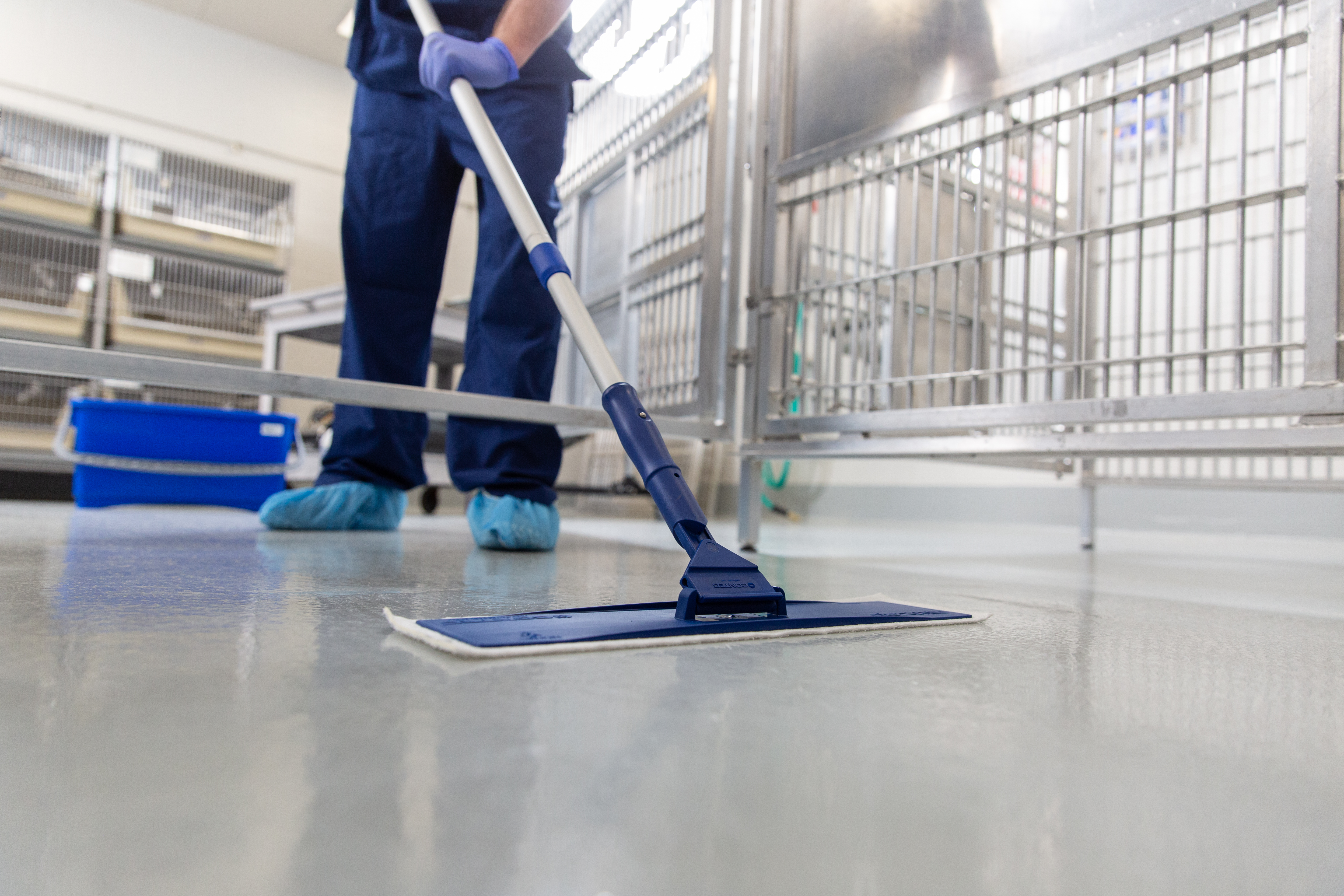
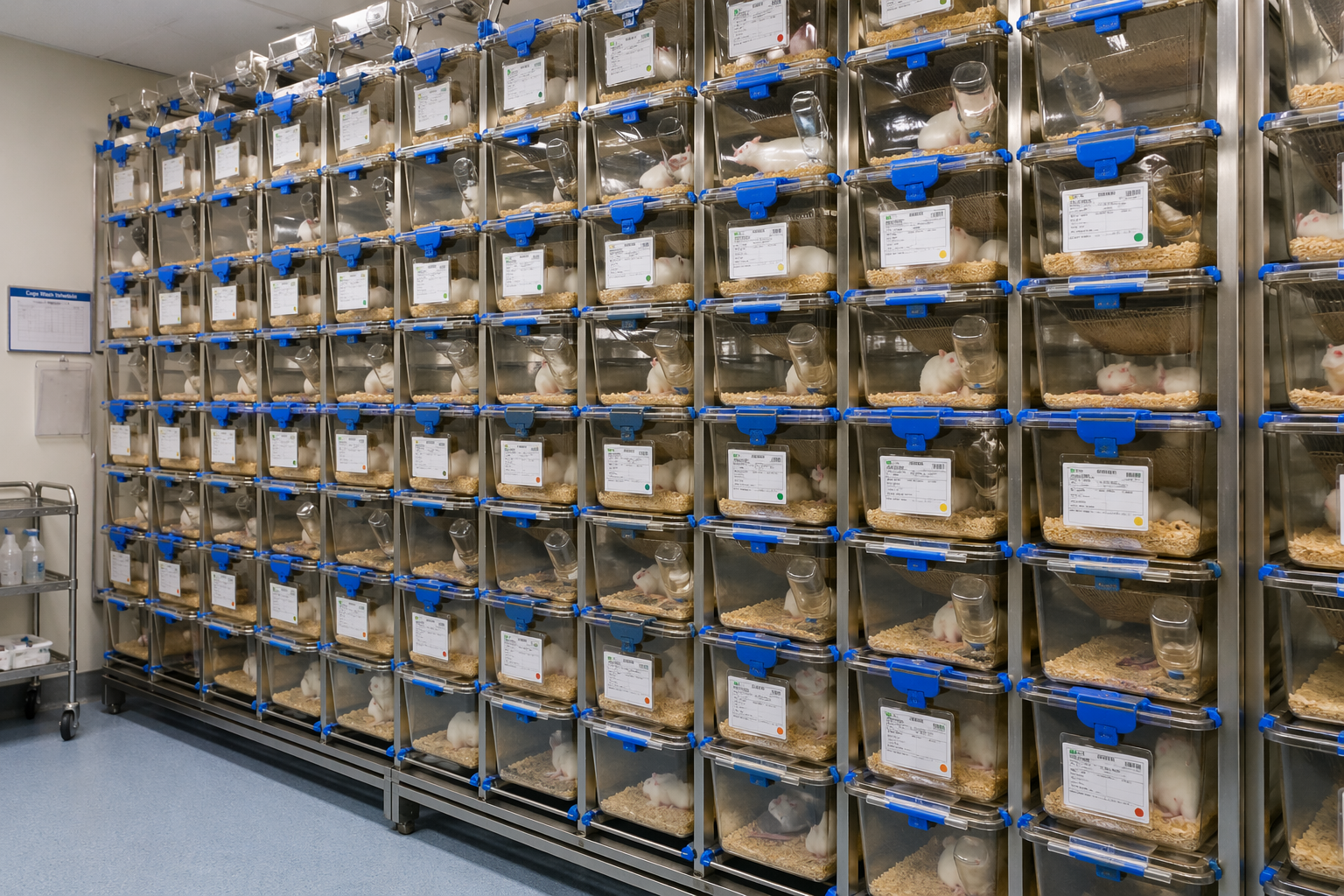
Beyond reviewing documentation, AAALAC site visitors spend a significant amount of time walking through animal facilities.
During these walkthroughs, they evaluate the physical condition of:
- Animal rooms
- Procedure rooms
- Cage wash areas
- Storage spaces
- Hallways and shared equipment areas
- Clean floors and surfaces
- Proper waste handling
- Organized storage areas
- Functional equipment
- Clearly labeled supplies
Inspectors often look for visible indicators of sanitation quality, such as:
Even small issues—such as clutter, poorly maintained equipment, or improperly stored cleaning tools—can signal gaps in sanitation oversight.
5. Staff Training and Competency
A sanitation program is only as strong as the people implementing it.
AAALAC inspectors frequently speak directly with technicians and animal care staff during site visits to confirm that they understand facility procedures.
Personnel should be able to explain:
- Room cleaning protocols
- Disinfectant use and dilution procedures
- PPE requirements
- Waste handling procedures
- Biosecurity practices
The Guide emphasizes that personnel working with laboratory animals must be appropriately trained and qualified to perform their responsibilities.
Training records and competency verification programs are therefore essential components of a compliant sanitation program.
6. Institutional Oversight and Program Management
Finally, AAALAC reviewers evaluate sanitation within the context of the entire animal care and use program.
AAALAC accreditation assesses multiple interconnected program elements, including:
- IACUC oversight
- Veterinary care programs
- Occupational health and safety
- Facility management and maintenance
- Animal housing and husbandry
These elements work together to support the humane care and use of laboratory animals and ensure research quality.
For sanitation programs, this means cleaning practices should align with institutional policies, veterinary recommendations, and approved animal protocols.
Best Practices for an Audit-Ready Vivarium Cleaning Program
Vivarium programs that consistently perform well during AAALAC reviews typically share several operational characteristics.
1. Standardized cleaning systems
Facilities use consistent tools, disinfectants, and workflows across animal rooms.
2. Clear documentation practices
Cleaning activities are recorded routinely and reviewed regularly.
3. Validated sanitation methods
Facilities can demonstrate that cleaning practices effectively control contamination.
4. Comprehensive staff training
Technicians receive structured onboarding and ongoing training.
5. Strong coordination with oversight groups
Vivarium leadership works closely with veterinary staff and the IACUC.
Together, these elements create a sanitation program that supports both animal welfare and regulatory compliance.
AAALAC accreditation reflects an institution’s commitment to maintaining high standards in laboratory animal care. Because sanitation practices affect animal health, research reproducibility, and facility biosecurity, inspectors carefully evaluate vivarium cleaning programs during site visits.
Facilities that prioritize clear SOPs, strong documentation, well-trained staff, and consistent sanitation practices are far more likely to demonstrate compliance during accreditation reviews.
For vivarium managers, the goal should not simply be preparing for the next inspection—but building sanitation systems that keep the facility inspection-ready every day of the year.