
Why Choosing the Right Disinfectant Matters in Lab Animal Facilities
With so many disinfectant options on the market, how do you know which hydrogen peroxide product is safe and effective for your facility?
This blog explores the science behind hydrogen peroxide-based disinfectants and offers clear recommendations tailored to the unique cleaning and autoclaving processes used in the lab animal research environment.
What Is Accelerated Hydrogen Peroxide® (AHP®)?
Accelerated Hydrogen Peroxide® (AHP®) is a patented disinfectant technology, manufactured by Virox, that combines very low and safe levels of hydrogen peroxide with surfactants and stabilizers to enhance cleaning performance while remaining safe for users and materials. It provides:
- Broad-spectrum efficacy
- Rapid contact times
- Low toxicity
- Excellent material compatibility
Why it matters: Not all hydrogen peroxide disinfectants are the same, — some use 2.5 to 3x more peroxide and have different inactives to achieve similar results. These other chemistries increase toxicity, leave more residual, and have slower contact time and degrade cage materials.
Rodent Cage Materials and Why Compatibility Is Critical
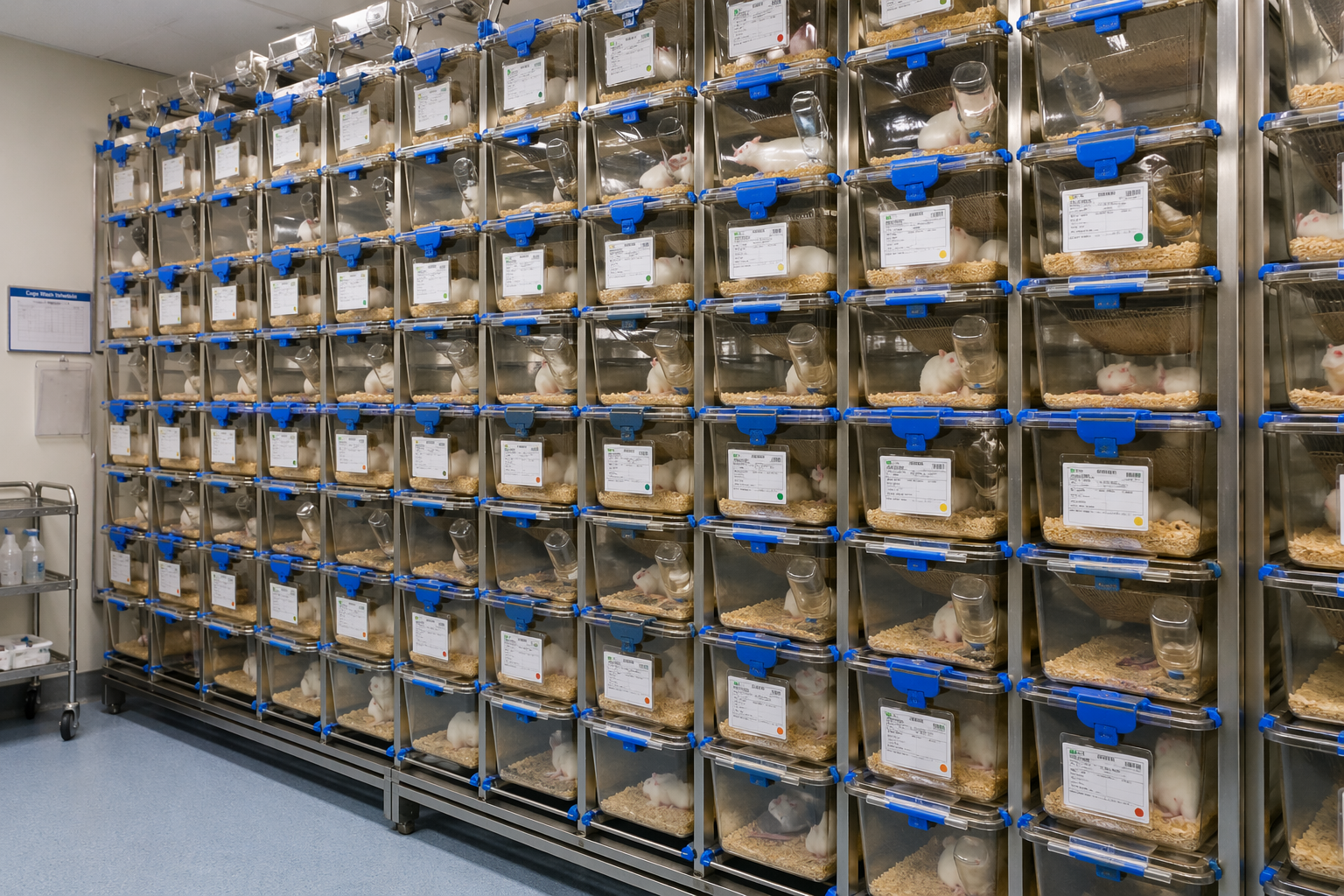
Today’s rodent enclosures are primarily made of polysulfone, a tough, autoclavable plastic known for its chemical durability. Polysufone is also naturally opaque. Over the last several years, cage manufacturers have made alterations in the structure/design of their cages. The cages have become clearer and have added more features. This has created some challenges when using certain disinfectants specifically when autoclaving out is introduced.
Through collaborative testing with leading cage suppliers, and at end user facilities, Contec and Virox have confirmed Peroxigard RTU and Peroxigard diluted from Concentrate are excellent and safe disinfectants for the reprocessing of these newer cages when using the appropriate processes.
Best Practices for Using Peroxigard™ in Vivariums
1. When NOT Autoclaving Cages out
Use Peroxigard RTU (Ready-to-Use):
- Adds the extra efficacy required
- Delivers fast, effective disinfection (1 minute contact time)
- No dilution required
- Proven compatible with the newer polysulfone cage designs
- Excellent safety profile
2. When Autoclaving Cages out (BSL environments)
Use Peroxigard Concentrate at 1:64 dilution:
- Safe for use on all cages, including the newer designs
- Broad spectrum
- Lower overall cost
- Excellent safety profile
Common Pitfall: Assuming All Disinfectant Products Are the Same
Not all disinfectant products are the same. Quat products need daily disposal. They add residue, have long contact times and are much more toxic. Using a phenol-based product, adds extreme toxicity into the lab animal environment. Phenols are on the Prop 65 list of carcinogenic ingredients. Other Hydrogen Peroxide disinfectant products use higher concentrations of hydrogen peroxide (1.4%, 1.5%) to avoid patent conflicts with AHP. While these may deliver similar efficacy on paper, they often:
- Damage cage materials
- Pose a safety concern to staff and animals
- Cause cracking and crazing of the newer design cages
- Require more ventilation or PPE precautions
Safer, Smarter Disinfection Starts with Product Knowledge
When it comes to cleaning rodent cages in a vivarium, product choice can make the difference between routine compliance and costly replacement. Peroxigard™ ‘s two different formulation offering, provide safe and effective products for cage reprocessing.
Need help optimizing your SOPs or training staff on proper use? Contact Contec today for a full assessment program, support materials, demo opportunities, and expert guidance.
.png)