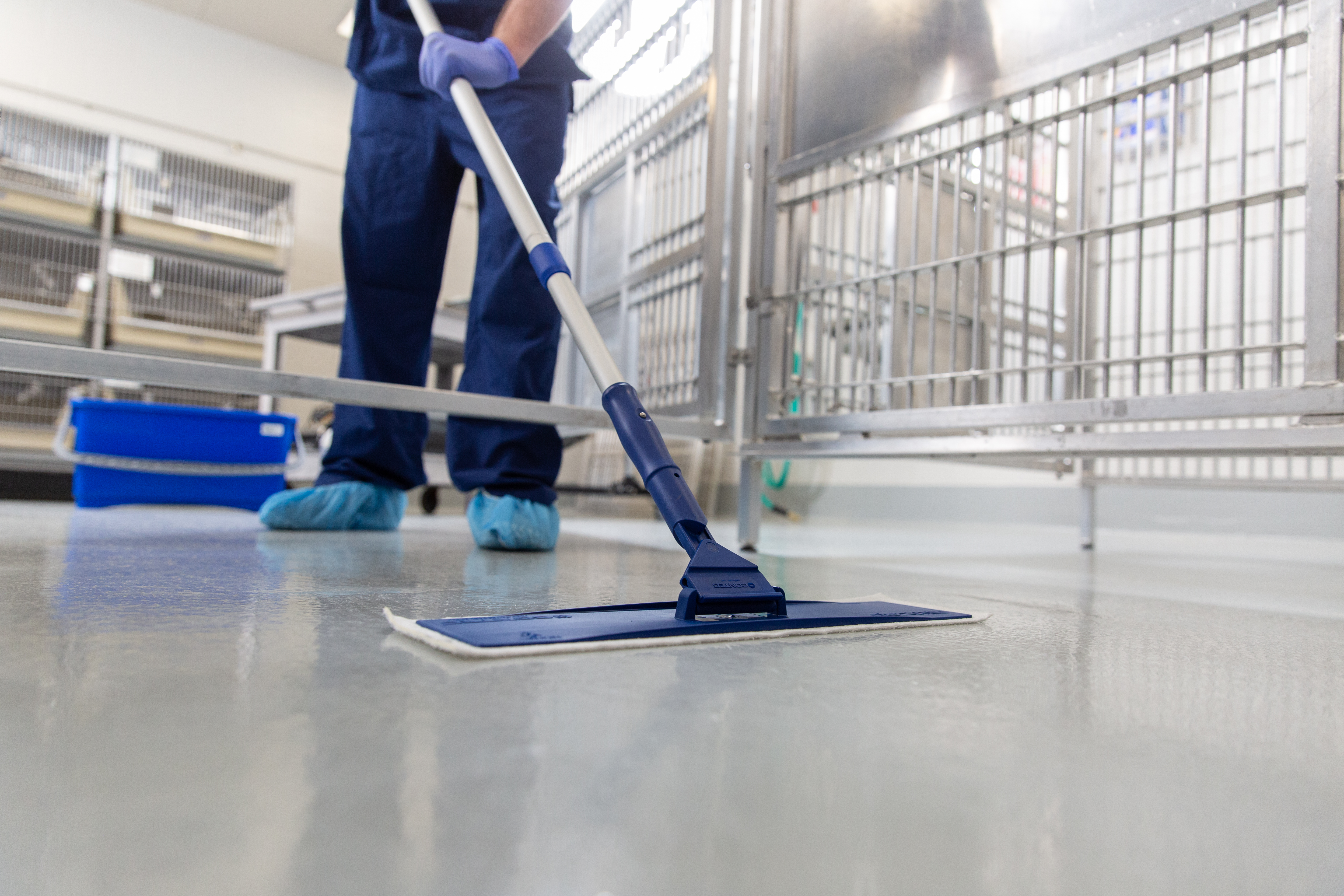
Staff turnover is one of the most persistent operational challenges in laboratory animal facilities. When new technicians join the team, they need to learn more than where supplies are stored or which disinfectant to use. They need to understand how cleaning practices support animal welfare, biosecurity, research integrity, and regulatory readiness.
A well-designed vivarium cleaning training program can help new employees become productive faster while reducing the risk of inconsistent sanitation practices.
The goal is not to rush training. The goal is to make cleaning procedures clear, repeatable, observable, and easy to validate.
Why Vivarium Cleaning Training Matters
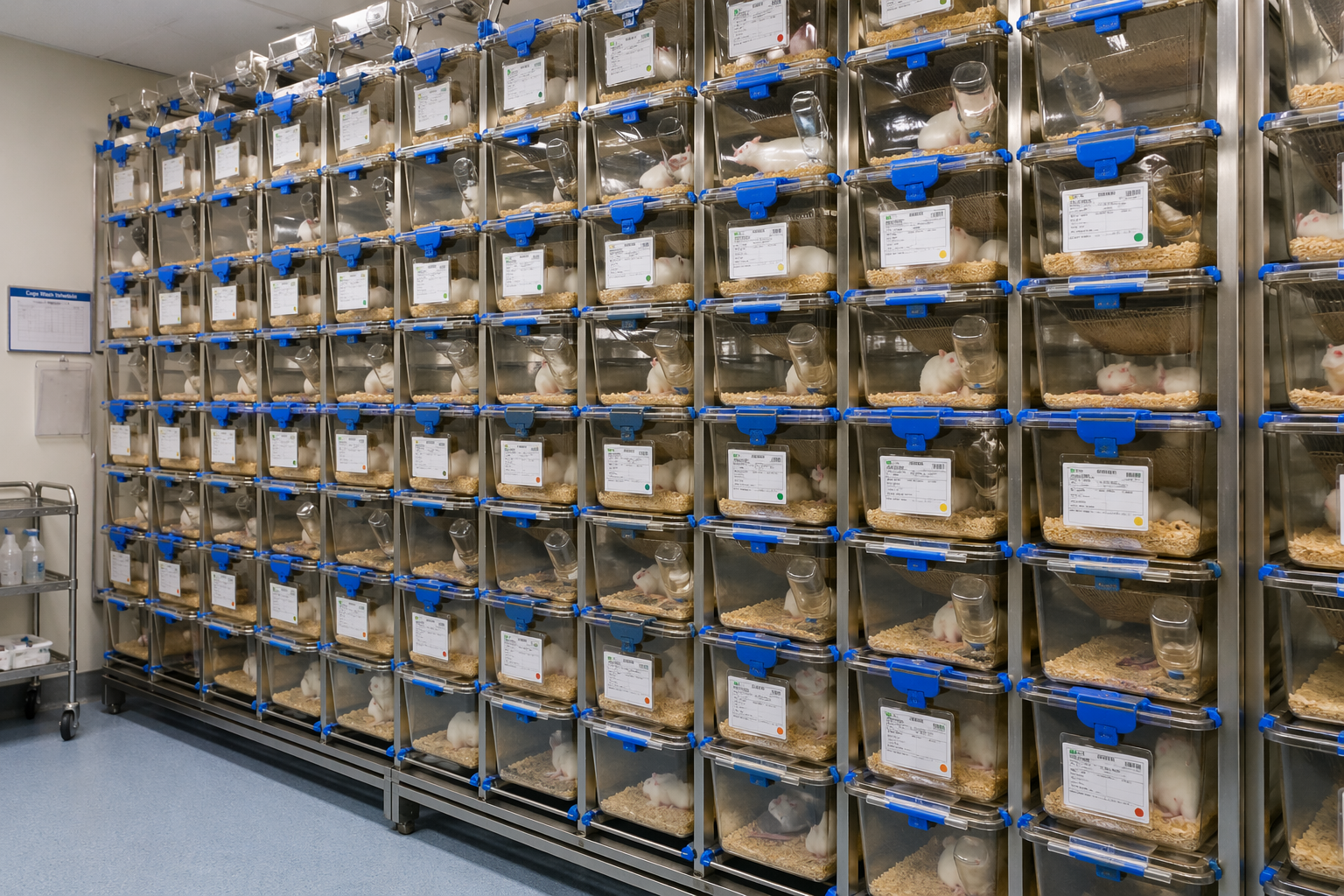
Cleaning and sanitation are central to an effective animal care and use program. The Guide for the Care and Use of Laboratory Animals defines the animal care and use program broadly, including animal care, veterinary care, personnel management, occupational health and safety, IACUC functions, and facility management. That means sanitation training is not just a housekeeping issue, it is part of the larger institutional system that supports humane animal care and reliable research.
AAALAC International also evaluates animal care and use programs across multiple areas, including animal husbandry, veterinary care, occupational health and safety, physical plant, health monitoring, recordkeeping, sanitation, and personnel training.
For vivarium managers, this creates a practical challenge: every new employee must learn cleaning procedures quickly enough to support daily operations, but thoroughly enough to prevent cross-contamination, documentation gaps, and avoidable audit findings.
What a One-Week Training Program Should Accomplish
A one-week onboarding program should give new employees a structured foundation in:
- Facility traffic flow and biosecurity expectations
- Cleaning versus disinfection
- Approved products and correct contact times
- PPE requirements
- Room entry and exit procedures
- High-touch surface cleaning
- Cage wash and equipment sanitation basics
- Documentation expectations
- Escalation procedures for spills, contamination, or SOP deviations
- Competency verification before independent work
The strongest programs combine written SOPs, visual work instructions, supervised practice, and documented competency assessments.
Day-by-Day Framework for Training New Vivarium Staff
Day 1: Orientation to Compliance, Biosecurity, and Facility Flow
Start with the “why.” New employees should understand that cleaning protects animal health, personnel safety, research quality, and regulatory compliance.
Training should cover:
- The role of the animal care and use program
- IACUC oversight basics
- AAALAC accreditation expectations
- Clean-to-dirty workflow
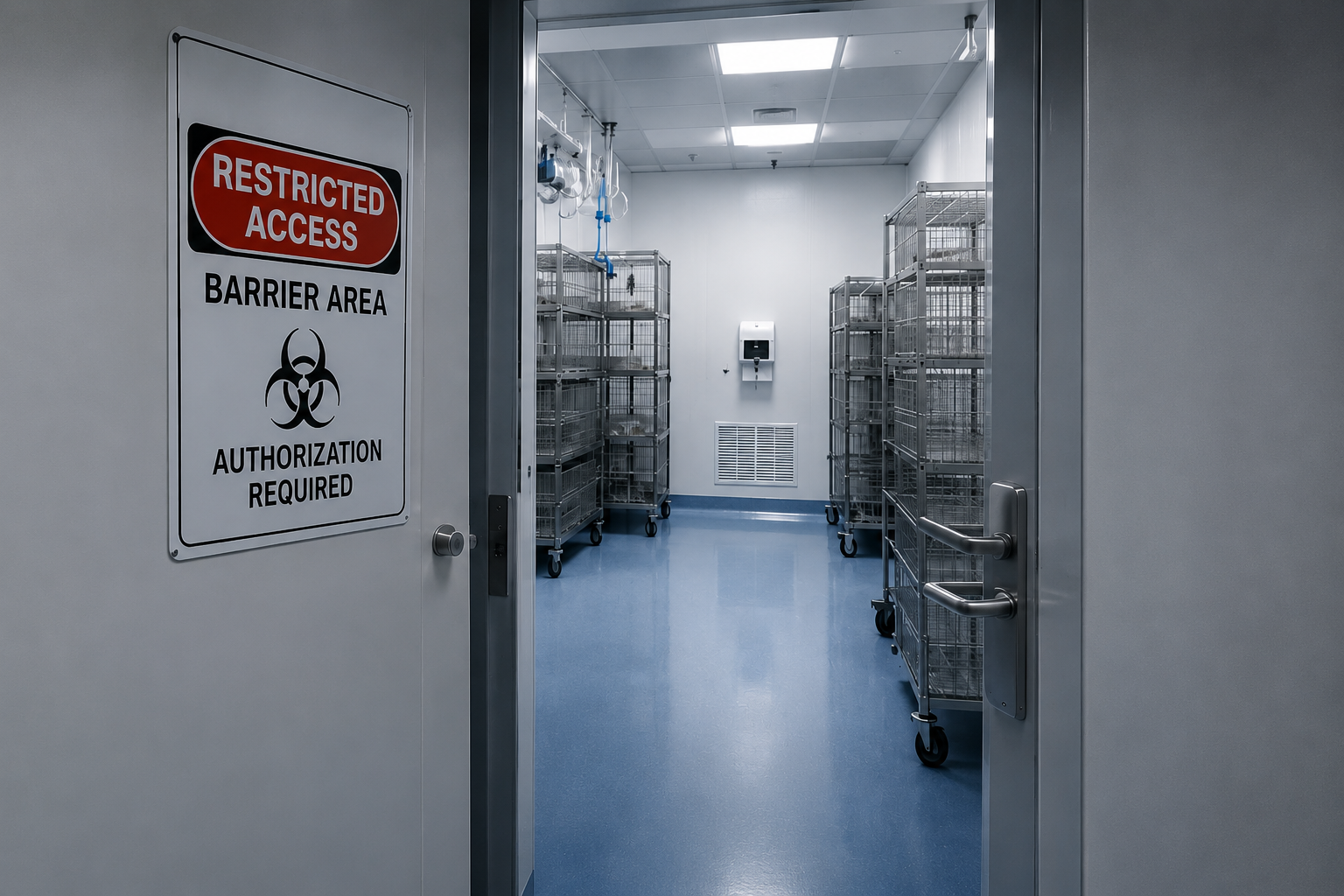
- Restricted areas and traffic flow
- PPE requirements by area
- Hand hygiene and gowning procedures
The IACUC Guidebook emphasizes institutional oversight and self-regulation as core principles of animal care and use programs, making early orientation to compliance expectations essential.
Day 2: SOP Review and Product Training
On the second day, focus on approved cleaning and disinfection procedures.
Employees should learn:
- Which disinfectants are approved for each area
- Required dilution or ready-to-use instructions
- Wet contact time
- Surface compatibility considerations
- Label instructions
- Storage and handling procedures
- What to do when supplies are missing or expired
For disinfectants, training should reinforce that EPA-registered antimicrobial products must be used according to their approved label directions.
Day 3: Demonstration and Shadowing
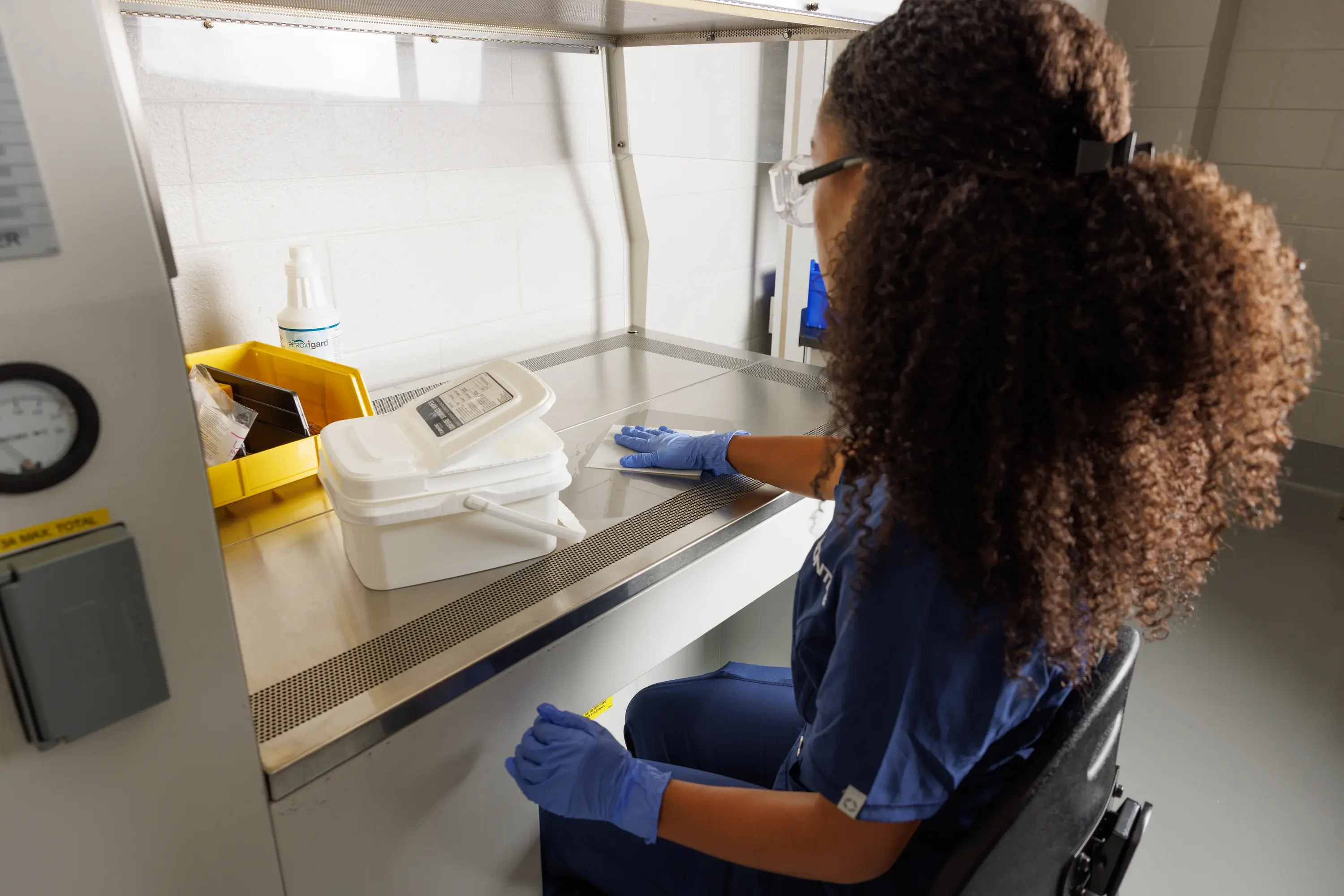
New employees should watch experienced staff perform cleaning procedures in real workflow conditions.
Demonstrations should include:
- Animal room cleaning
- Procedure room turnover
- High-touch surface disinfection
- Cart and equipment cleaning
- Spill response
- Waste handling
- Documentation completion
This step is where SOPs become behavior. Supervisors should explain not just what is being done, but why each step matters.
Day 4: Supervised Practice
By day four, the employee should perform cleaning tasks under direct observation.
Supervisors should evaluate:
- PPE compliance
- Cleaning sequence
- Proper product use
- Contact time adherence
- Avoidance of cross-contamination
- Documentation accuracy
- Recognition of problems or deviations
AALAS offers technician training and certification resources designed to support professionalism and competency in laboratory animal care roles, making it a useful external benchmark for training expectations.
Day 5: Competency Check and Documentation
Before working independently, new employees should complete a formal competency assessment.
A cleaning competency checklist may include:
- Correctly dons and doffs PPE
- Identifies approved disinfectants
- Explains required contact time
- Cleans from clean to dirty
- Disinfects high-touch surfaces
- Completes room logs accurately
- Reports deviations appropriately
- Demonstrates safe equipment handling
- Follows facility traffic patterns
- Knows when to escalate concerns
Documented training is especially important because personnel training is a recurring element in institutional policies, AAALAC expectations, and IACUC oversight programs. For example, Boston University’s IACUC personnel training policy describes training requirements for individuals involved in the care and use of live vertebrate animals and ties those requirements to federal policy, regulation, and AAALAC standards.
Make SOPs Easier to Learn with Visual Tools
New employees learn faster when procedures are easy to see, not just read.
Useful tools include:
- Laminated room-entry checklists
- Wall-mounted contact time reminders
- PPE sequence posters
- Step-by-step photo guides
- QR codes linking to SOP videos
- Daily cleaning logs with clear signoff fields
Visual aids reduce reliance on memory, which is especially useful in high-turnover environments.
Standardize Products to Simplify Training
Training becomes harder when staff must memorize multiple products, dilutions, contact times, and application methods.
Product standardization can help reduce:
- Application errors
- Contact time confusion
- Inventory complexity
- Documentation variation
- Supervisor retraining time
For vivarium leaders, this is where cleaning product selection becomes a training decision as much as a purchasing decision. Products that are easy to identify, easy to apply, and supported by clear documentation can make onboarding more consistent.
Build Training Around the Tasks That Create the Most Risk
Not every task carries the same contamination risk. Training should prioritize workflows where mistakes are most likely to affect animal health status or research continuity.
High-priority training areas include:
- Shared equipment disinfection
- Procedure room turnover
- Quarantine or isolation spaces
- Barrier entry and exit
- Transport cart cleaning
- Cage wash transitions
- High-touch surfaces
- Emergency spill response
These are the areas where clear SOPs, visual reminders, and competency checks can have the greatest impact.
Keep Training Alive After Week One
A one-week program should not be the end of training. It should be the foundation.
After onboarding, facilities should schedule:
- 30-day follow-up observations
- Annual competency refreshers
- Retraining after SOP updates
- Corrective training after deviations
- Refresher sessions before AAALAC site visits
- Updates when new disinfectants or equipment are introduced
The Guide for the Care and Use of Laboratory Animals emphasizes that personnel involved in animal care and use should be appropriately trained, qualified, and supported.
What This Means for Vivarium Managers
A cleaning program that new employees can learn in one week is not a simplified program. It is a better-structured program.
The most effective vivarium cleaning training
programs are:
- SOP-driven
- Visually supported
- Product-standardized
- Supervisor-observed
- Competency-based
- Documented
- Refreshed over time
For vivarium leaders, the benefit is clear: fewer inconsistencies, faster onboarding, stronger audit readiness, and a sanitation program that supports animal welfare and research continuity.
When training is easy to understand, it is easier to follow. And when cleaning procedures are followed consistently, the entire facility becomes more resilient.
Contact our team to learn how standardized products and practical training resources can help strengthen your onboarding program.
Frequently Asked Questions
What should be included in vivarium cleaning training?
Vivarium cleaning training should include facility traffic flow, PPE, approved disinfectants, contact times, cleaning sequence, high-touch surface disinfection, equipment sanitation, documentation, and escalation procedures for deviations or contamination concerns.
How long does it take to train a new vivarium technician on cleaning procedures?
Many facilities can provide foundational cleaning training in one week using SOP review, demonstrations, supervised practice, and competency checks. Independent work should begin only after the employee demonstrates task-specific competency.
Why is competency documentation important in vivarium cleaning programs?
Competency documentation helps show that employees were trained, observed, and approved to perform sanitation tasks. This supports internal quality assurance, IACUC oversight, AAALAC readiness, and consistent execution of SOPs.
How can vivariums make cleaning SOPs easier for new employees to follow?
Facilities can improve training by using visual SOPs, color-coded tools, laminated checklists, QR-code videos, standardized disinfectants, clear contact time reminders, and supervisor-led demonstrations.
How often should vivarium cleaning training be refreshed?
Cleaning training should be refreshed at least annually and whenever SOPs, disinfectants, equipment, facility layouts, or biosecurity requirements change. Retraining should also occur after deviations, audit findings, or contamination events.